Corrosion of Stitching Wire in Corrugated Boxes: Causes, Risks & Prevention
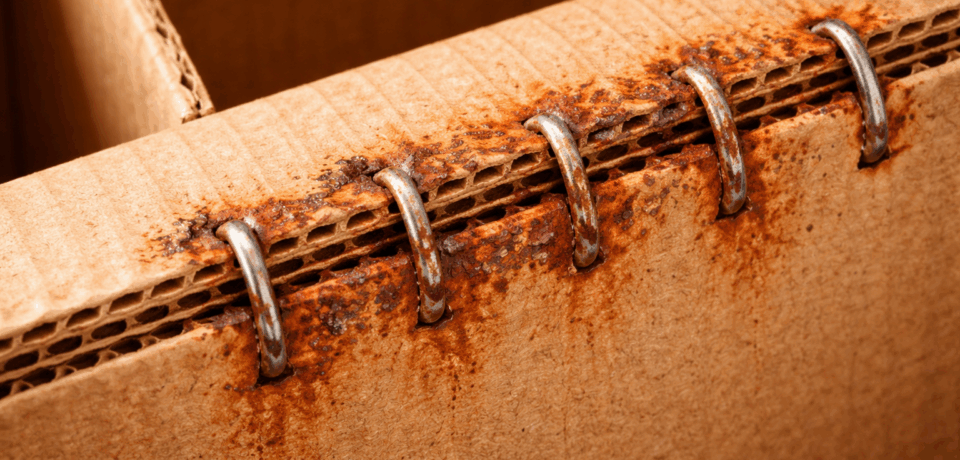
When corrugated boxes are used for industrial, automotive, or export packaging, stitching wire plays a critical structural role. However, one of the most common complaints from box users is rusting of stitching wire, leading to weakened joints, staining, and premature box failure.
At Sunshine Wire Industries, we regularly work with corrugators and packaging buyers to identify the real causes of stitching wire corrosion and how to prevent them through correct material selection and packaging control.
This article explains why stitching wire corrodes, the mechanisms involved, and the practical steps corrugated box manufacturers can take to avoid it.
Why Corrosion of Stitching Wire Is a Serious Packaging Issue
Stitching wire is usually made from high-quality mild steel, designed for strength and consistent clinching. Yet steel is inherently susceptible to corrosion when exposed to:
- Moisture
- Oxygen
- Chemical contaminants from paper
Since stitching wire is embedded directly inside corrugated board, the stitched area becomes a high-risk corrosion zone, especially during long storage or high-humidity exposure.
Common Corrosion Problems Seen in Stitching Wire
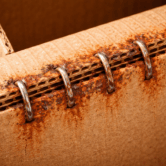
- Rust formation on staple crowns and legs
- Brown or black stains around stitched joints
- Reduction in joint holding strength
- Staple breakage during handling or transit
These issues are frequently observed in:
- Automotive parts packaging
- Metal component boxes
- Export consignments
- Monsoon or coastal storage environments
Key Causes of Stitching Wire Corrosion
1. Moisture & Relative Humidity
Corrosion of stitching wire is an electrochemical process that requires an electrolyte. Moisture absorbed by kraft paper provides this electrolyte.
- At relative humidity above 60%, paper holds capillary moisture
- This moisture forms an invisible thin film on the steel surface
- Increased time of wetness (TOW) directly accelerates rusting
High humidity storage or poor ventilation dramatically increases corrosion risk.
2. pH (Acidity) of Kraft Paper
Acidic paper accelerates corrosion by supplying hydrogen ions.
- Kraft paper with pH below 5 is highly corrosive to steel
- Recycled fibers and improper pulping can lower pH
Recommended range:
✅ pH between 6.5 and 7.5 (acid-free paper)
3. Chloride Contamination
Chloride ions are one of the most aggressive corrosion initiators for stitching wire.
They:
- Destroy protective oil or zinc films
- Increase conductivity of surface moisture
- Cause localized pitting corrosion
Chlorides typically enter paper from:
- Recycled water systems
- Secondary fibers
- Coastal or industrial environments
Safe limit:
✅ Chloride content < 0.05% (as NaCl)
4. Sulphates & Sulphide Formation
Sulphates alone are less aggressive but still harmful.
- Sulphates accelerate corrosion reactions
- In anaerobic conditions, bacteria convert sulphates into sulphides
- Sulphides react with iron to form black ferrous sulphide, causing localized damage
Safe limit:
✅ Sulphate content < 0.25% (as Na₂SO₄)
5. Porosity of Corrugated Board
High-porosity paper allows:
- Faster oxygen diffusion
- Penetration of corrosive gases
- Loss of protective oil from stitching wire
Low-porosity kraft paper:
- Preserves oil films
- Restricts corrosive gas movement
- Slows corrosion kinetics
6. Microbiologically Influenced Corrosion (MIC)
Corrugated paper contains organic nutrients (starch) that support microbial growth.
Microorganisms involved:
- Anaerobic bacteria → produce sulphides
- Aerobic bacteria → produce mineral acids
- Fungi → produce organic acids
Sulphate-reducing bacteria (SRB) thrive at 25–35°C and can cause deep pitting corrosion of stitching wire.
How to Prevent Corrosion of Stitching Wire
✔ Choose High-Quality Stitching Wire
- Consistent diameter and tensile strength
- Uniform surface finish
- Optional galvanized or coated grades for high-risk environments
✔ Control Kraft Paper Parameters
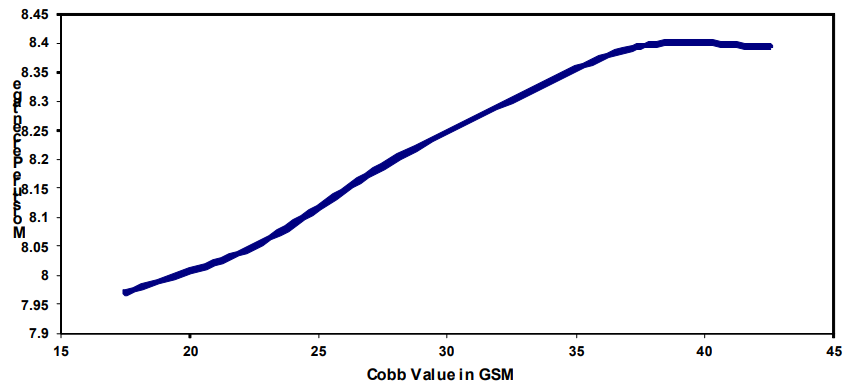
- Cobb value below 25 g/m²
- Acid-free paper (pH 6.5–7.5)
- Low chloride and sulphate content
- Low porosity
✔ Manage Moisture & Storage
- Maintain storage RH below 60%
- Avoid floor contact
- Use desiccants for export packaging
✔ Prevent Microbial Growth
- Use paper treated with anti-fungal and anti-bacterial agents
- Avoid prolonged storage in warm, humid conditions
Why Quality Stitching Wire Matters
Even the best corrugated board cannot perform if the stitching wire fails. Corrosion not only affects appearance but also compromises box integrity, leading to customer complaints, product damage, and costly rejections.
At Sunshine Wire Industries, our stitching wire is engineered for:
- Reliable clinching
- Consistent performance
- Compatibility with controlled, low-corrosion packaging systems
Conclusion
Corrosion of stitching wire is not a random defect—it is the result of moisture, paper chemistry, environmental exposure, and microbiological activity working together.
By specifying the right stitching wire and ensuring proper kraft paper quality, corrugated box manufacturers can significantly reduce rusting issues and deliver long-lasting, reliable packaging
Looking to Reduce Stitching Wire Corrosion in Your Boxes?
Sunshine Wire Industries supplies high-quality stitching wire trusted by corrugators across India for consistent performance and corrosion resistance.
📞 Call / WhatsApp: +91 99677 03366
📧 Email:
info@sunshinewiresindia.com
🌐 Website: https://www.sunshinewiresindia.com
Contact us to discuss the right stitching wire grade for your packaging application and operating conditions.